Our Posts

Types of Air Conditioners Explained in Detail: Ultimate Guide (2026)

types of air conditioners 2026

Choosing the right air conditioner for your home or office in India isn’t just about picking a brand — it’s about selecting the correct type of AC that suits your room size, budget, usage patterns, and climate conditions. With a wide range of technologies available — from basic window units to inverter split ACs, portable coolers to ceiling mounts — understanding the key differences helps you make a smarter and more cost-effective buying decision.

In this detailed guide, we explain the most common types of air conditioners in India, how they work, their advantages and limitations, best use cases, and why each one might be the right choice for you.

1 Window Air Conditioner

window ac right view dz 03

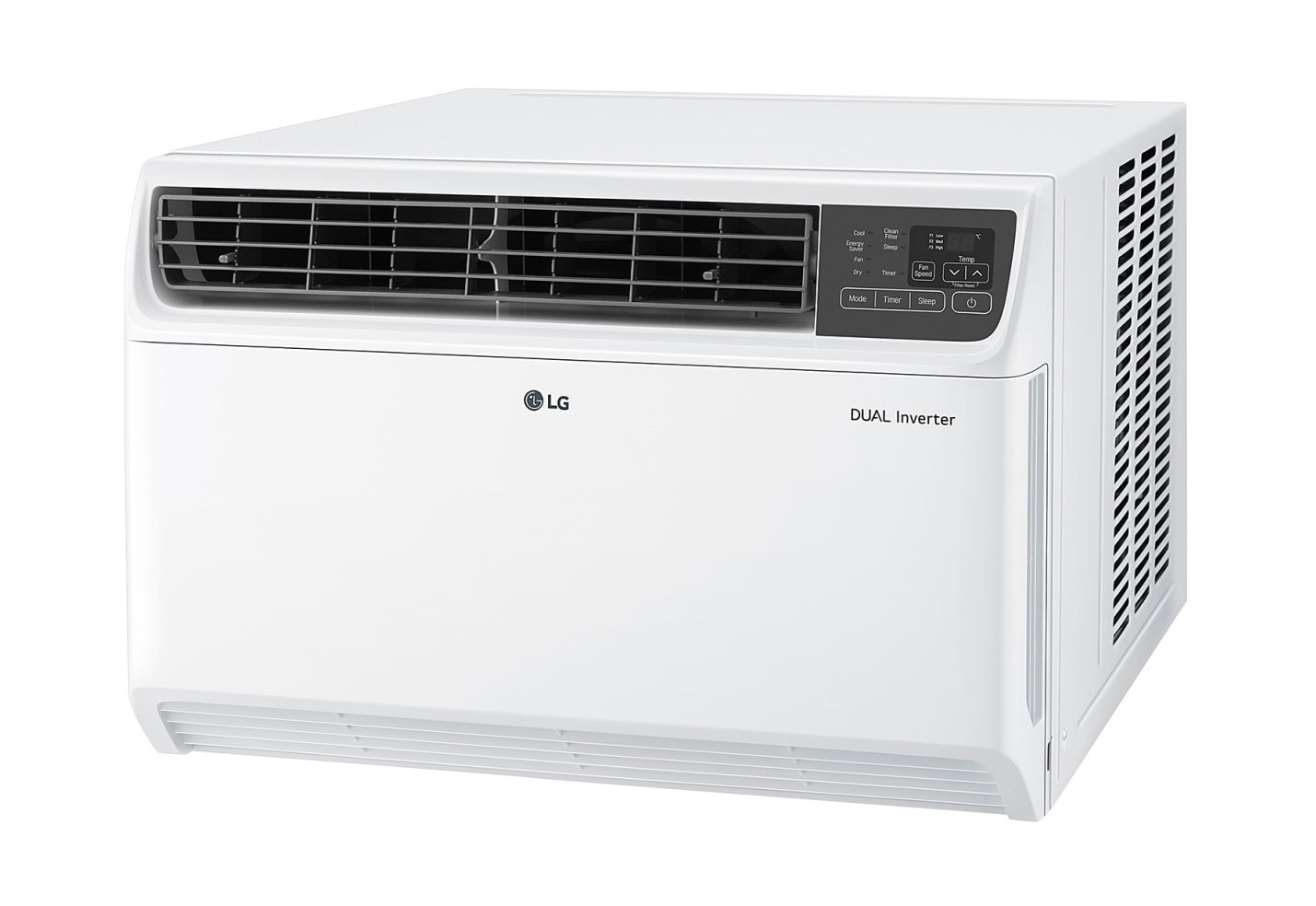
A Window Air Conditioner is a single, compact unit that combines all components — compressor, condenser, evaporator, and blower — into one integrated box. Installed in a window frame or wall opening, it’s one of the simplest and most budget-friendly forms of cooling technology available in India. Window ACs are ideal for small rooms, guest bedrooms, or rented spaces because they require minimal installation, offer straightforward performance, and deliver decent cooling at an affordable price.

Pros

  • Easy and quick installation
  • Lower upfront cost compared to split ACs
  • Compact design suits small rooms
  • Requires less maintenance

Cons

  • Noisy operation due to single unit design
  • Occupies window space
  • Limited cooling performance for large areas
  • Not as aesthetically pleasing

Product Specification

Feature Specification
Type Window AC
Capacity Range 0.8 Ton – 2 Ton
Energy Rating 3–5 Star
Compressor Fixed / Inverter
Voltage Range Standard
Best For Small rooms (≤ 120 sq. ft.)
Installation Window or Wall

Key Features


All-in-One Integrated Design
A window AC houses all cooling components inside a single unit, which simplifies installation and reduces overall cost, making it a popular choice for compact spaces.

Stabilizer-Free Models Available
Many new window ACs operate across wide voltage ranges without requiring a separate stabilizer, protecting electrical components and saving on extra equipment costs.

Various Cooling Capacities
Window ACs are available in multiple tonnages, allowing you to pick the right size based on room area and usage.

Why You Should Consider It

Window ACs are perfect if you need a simple, affordable, and no-frills cooling solution for small rooms with basic temperature control needs — especially in rented homes or temporary setups.

Buy It If

✔ Budget is your top priority
✔You live in a small room
✔ Quick, minimal installation is essential

Don’t Buy It If

✘You want ultra-quiet operation
✘ Your room is large (> 120 sq. ft.)
✘ Aesthetic design matters

View More

2 Split Air Conditioner

portable split air conditioner 515

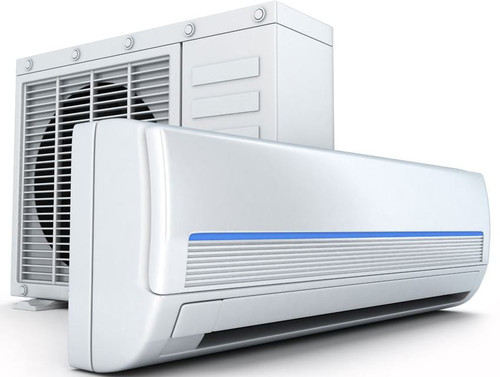
A Split Air Conditioner is one of the most popular and widely used cooling systems in modern Indian homes. Unlike a window AC, it consists of two separate units — an indoor unit that blows cool air into the room and an outdoor unit that houses the compressor and condenser. These two units are connected by refrigerant pipes. Because the noisy compressor is placed outside, split ACs operate much more quietly indoors. They also provide better airflow distribution, faster cooling, and improved energy efficiency. Split ACs are ideal for medium to large rooms and are preferred for their sleek design, silent performance, and powerful cooling capabilities.

Pros

  • Quieter operation compared to window AC
  • Better cooling efficiency and airflow distribution
  • Sleek and modern design
  • Available in inverter models for energy savings
  • Suitable for medium to large rooms
  • Flexible wall-mounted installation

Cons

  • Higher upfront cost than window AC
  • Requires professional installation
  • Outdoor unit needs external wall space
  • Installation charges may increase total cost

Product Specification

Feature Specification
Type Split Air Conditioner
Capacity Range 1 Ton – 2 Ton
Energy Rating 3-Star to 5-Star
Compressor Type Fixed Speed / Inverter
Installation Wall Mounted (Indoor + Outdoor Unit)
Noise Level Low (Indoor Unit)
Best For 120 – 200 sq. ft. rooms
Refrigerant R32 (Most Models)
Stabilizer-Free Yes (Most Models)

Key Features of Split Air Conditioner


Separate Indoor and Outdoor Units
The split AC separates the noisy compressor from the indoor unit, resulting in quieter indoor operation while ensuring strong and efficient cooling performance.

Better Air Distribution
Split ACs distribute cool air evenly across the room through wide-angle airflow technology, ensuring consistent temperature in every corner without creating cold spots.

Inverter Technology Availability
Most modern split ACs come with inverter compressors that adjust speed according to cooling demand, reducing power consumption and lowering electricity bills.

Stylish and Compact Design
Unlike window ACs that occupy window space, split ACs are wall-mounted and designed to blend seamlessly with modern interiors, enhancing room aesthetics.

High Cooling Capacity
Split ACs are available in higher tonnage capacities, making them suitable for larger bedrooms, living rooms, and office spaces.

Why You Should Consider a Split Air Conditioner

Split ACs are ideal for households looking for powerful cooling with lower noise levels and improved energy efficiency. They provide better aesthetics, enhanced comfort, and long-term savings — making them a preferred choice for modern homes.

Buy It If

✔ You need efficient cooling for medium or large rooms
✔ Quiet operation is important for you
✔ You want better energy savings with inverter technology
✔ Room aesthetics matter

Don’t Buy It If

✘You are on a very tight budget
✘ You need temporary or portable cooling
✘ You do not have space for an outdoor unit

View More

3 Inverter Air Conditioner

inverter air conditioner

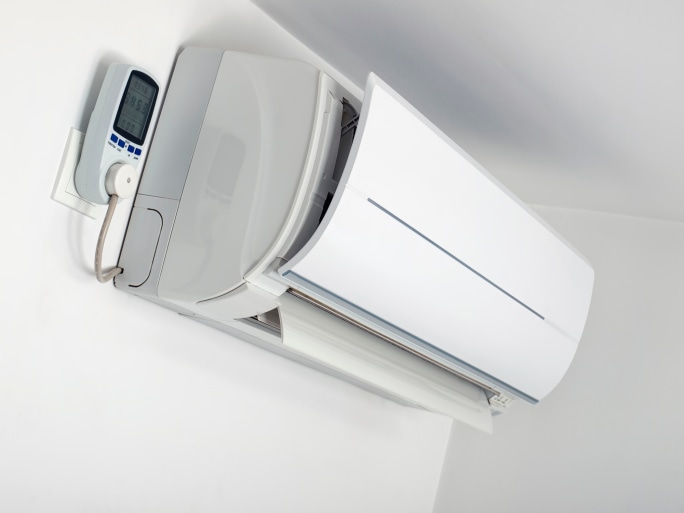
An Inverter Air Conditioner refers to a type of AC that uses advanced inverter technology within its compressor to regulate cooling more efficiently. Unlike traditional non-inverter ACs that repeatedly switch the compressor on and off to maintain temperature, inverter AC compressors run at variable speeds according to the cooling requirement. This creates a more stable temperature, reduces energy consumption, and provides quicker cooling. Inverter ACs operate quietly and are ideal for households or offices where air conditioning is used for long hours, offering better comfort and lower electricity bills over time.

Pros

  • Significantly lower energy consumption
  • Rapid and consistent cooling
  • Quieter operation due to smooth compressor control
  • Enhanced comfort with stable temperature
  • Longer compressor life due to fewer start-stop cycles

Cons

  • Higher initial purchase price than non-inverter ACs
  • Slightly more complex repair costs if electronics fail
  • May be unnecessary for very occasional use

Product Specification

Feature Specification
Type Inverter Air Conditioner (Applies to both Split & Window units)
Compressor Variable-Speed Inverter Compressor
Energy Rating Mostly 4-Star to 5-Star
Cooling Response Fast and Stable
Power Consumption Lower than non-inverter AC
Noise Level Low
Temperature Control Steady with minimal fluctuations
Best For Daily long-hour use
Voltage Range Stabilizer-Free in many models

Key Features of Inverter Air Conditioner


Variable-Speed Inverter Compressor
The heart of an inverter AC lies in its variable-speed compressor, which adjusts cooling output in real time based on current room temperature. This avoids frequent start-stop cycles and results in consistent comfort with lower energy usage.

Faster Cooling Performance
Since inverter compressors ramp up quickly to reach the desired temperature, rooms cool faster compared to non-inverter models, providing instant relief during peak summer heat.

Lower Electricity Consumption
By maintaining a stable temperature instead of switching on and off repeatedly, inverter ACs avoid wasted energy, leading to reduced power bills — especially noticeable when used for long durations.

Quiet & Smooth Operation
The compressor doesn’t crank on and off loudly. Instead, it operates smoothly with lower vibration, helping create a quieter indoor environment — ideal for bedrooms, offices, and living rooms.

Better Temperature Stability
Inverter ACs maintain your set temperature with minimal fluctuations. This reduces discomfort from sudden hot or cold blasts and ensures uniform cooling throughout your living space.

Why You Should Consider an Inverter Air Conditioner

Inverter ACs represents a significant upgrade over traditional fixed-speed models, offering faster cooling, energy efficiency, and quieter performance. If your household uses air conditioning for several hours a day, especially in hotter regions, the long-term savings and increased comfort easily offset the slightly higher upfront cost.

Buy It If

✔You use AC for many hours every day
✔ You want to save on electricity bills long-term
✔ Quiet and consistent cooling matters to you
✔ You want advanced temperature control

Don’t Buy It If

✘You only use AC occasionally
✘ You want the cheapest possible upfront cost
✘ You’re not concerned about long-term energy savings

View More

4 Portable Air Conditioner

portable air conditioner

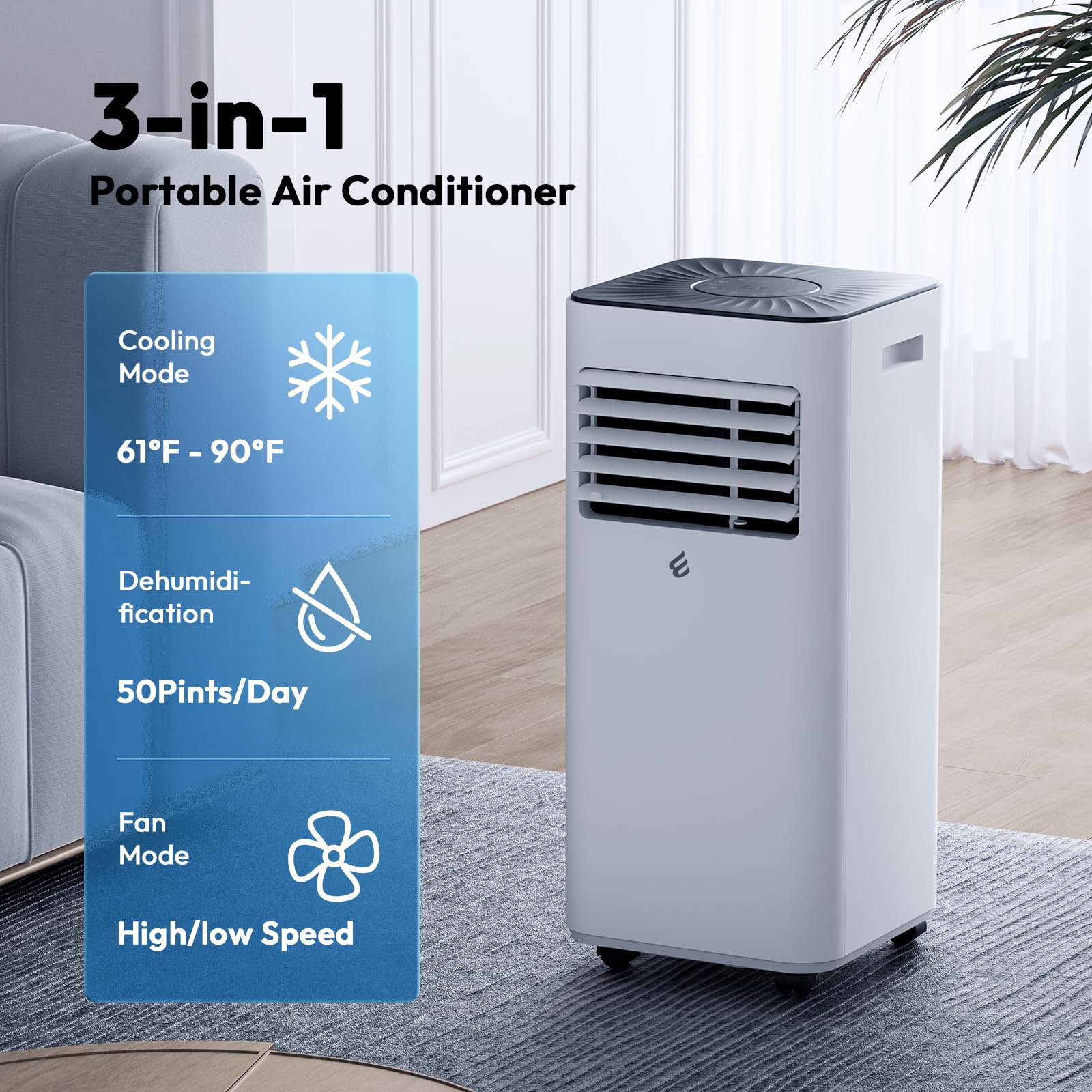
A Portable Air Conditioner is a self-contained cooling unit that requires no permanent installation or wall mounting. Designed for flexibility and convenience, portable ACs are perfect for renters, office cabins, or homes where drilling and installation aren’t feasible. These units typically sit on the floor and come with a hose that vents hot air through a nearby window or opening. While they may not cool as powerfully as split or window ACs, portable ACs offer a practical and movable solution for temporary or room-specific cooling needs without any structural changes.

Pros

  • Easy to install — plug & play
  • Can be moved from room to room
  • No drilling or wall mounting required
  • Quick setup allows fast cooling
  • Useful in rented apartments or temporary spaces

Cons

  • Cooling power is lower than split and window ACs
  • Slightly higher energy use for same capacity
  • Tends to be noisier
  • Requires venting hose space

Product Specification

Feature Specification
Type Portable Air Conditioner
Capacity ~1 – 1.5 Ton Equivalent
Installation Standalone, Vent Hose
Power Supply Standard Plug (220–240V)
Mobility High (Wheels Included)
Cooling Output Moderate
Noise Level Moderate to High
Best For Temporary Cooling
Energy Rating Varies by Model

Key Features


Freestanding & Portable Design
Portable ACs are lightweight with caster wheels and do not require fixed installation. You can simply move them to different rooms and start cooling by connecting a ventilation hose to a window or door gap.

Plug-and-Play Operation
No external installation is required — just plug into a regular power outlet and vent hot air through a window or sliding door using included accessories.

Remote & Timer Controls
Most portable ACs come with a remote and programmable timer features, enabling users to set temperature, fan speed, and sleep modes without manual adjustments.

Multi-Functional Modes
Portable AC units often include cooling, dehumidification, and fan modes, making them useful beyond just temperature control — they help reduce humidity levels too.

Why You Should Consider a Portable AC

Portable air conditioners are ideal if you want flexible, no-installation cooling — especially in rented homes, guest rooms, or rooms without window space. They provide quick comfort without drilling, drilling, or permanent setup. Though not as powerful as fixed ACs, their convenience and mobility make portable units a practical choice for temporary or multi-room cooling needs.

Buy It If

✔You rent a home or can’t install a fixed AC
✔ You need cooling in multiple rooms
✔ You want fast, hassle-free cooling

Don’t Buy It If

✘You want maximum cooling power
✘ You need a permanent solution
✘ Low noise and high efficiency are priorities

View More

5 Cassette Air Conditioner

modern home with ceiling cassette air conditioner installed.

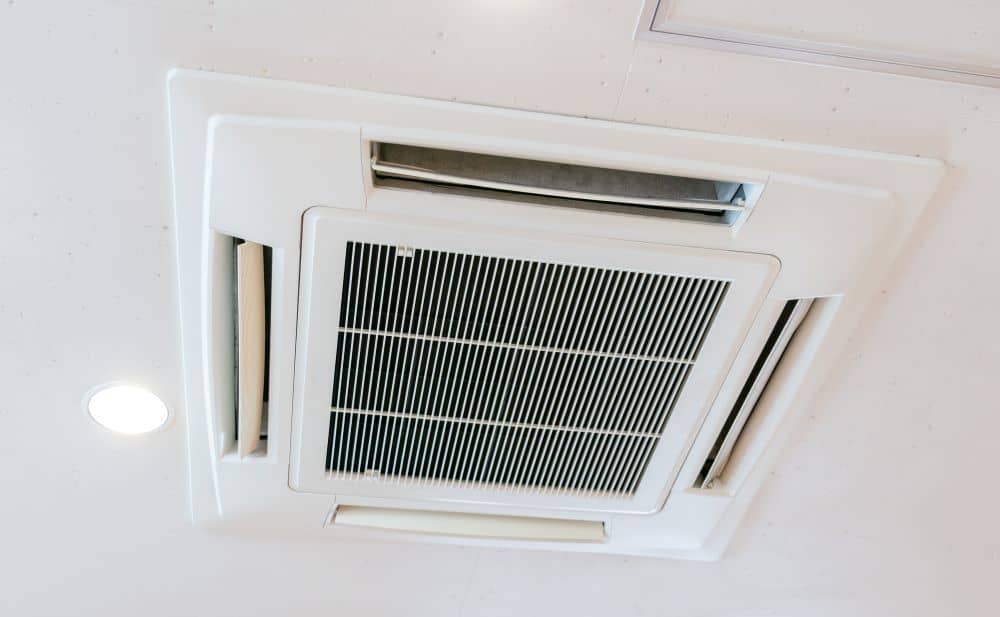
A Cassette Air Conditioner is a ceiling-mounted cooling solution commonly used in commercial spaces, large offices, shops, malls, and spacious living areas. These units are installed in the false ceiling and distribute cool air in multiple directions (often 360°), ensuring uniform airflow throughout the space. Cassette ACs are designed for high cooling capacity and aesthetic appeal since they’re flush-mounted and unobtrusive. While they come with a higher installation cost and are more complex to install, they provide unmatched cooling coverage for large or open-plan areas.

Pros

  • Provides uniform cooling in multiple directions
  • Space-saving ceiling installation
  • Ideal for large halls and open areas
  • Powerful cooling capacity
  • Aesthetic integration into ceilings

Cons

  • Higher initial and installation cost
  • Requires false ceiling and professional installers
  • Not ideal for small residential rooms

Product Specification

Feature Specification
Type Cassette Air Conditioner
Capacity 2 – 5 Ton
Installation Ceiling Mounted
Airflow 360° Multi-Directional
Best For Commercial Spaces & Large Halls
Energy Rating Commercial Ratings
Noise Level Moderate
Control Remote / Centralized System
Voltage Stabilizer-Free (Model Dependent)

Key Features


360° Airflow Distribution
Cassette ACs are designed to disperse cool air in four directions from the center of the ceiling. This ensures uniform cooling even in large open spaces without cold corners.

Ceiling-Mounted Design
Mounted neatly in the false ceiling, cassette ACs are unobtrusive and save wall and floor space — making them perfect for open offices, showrooms, and luxury living rooms.

High Cooling Capacity
These units are engineered to cool large spaces efficiently, with multi-ton capacities capable of handling areas far larger than typical residential rooms.

Centralized Control Compatibility
Cassette ACs can be integrated with centralized control systems, allowing seamless temperature management across multiple zones or rooms from one interface.

Why You Should Consider a Cassette AC

Cassette air conditioners are the best choice for large open spaces or commercial environments where uniform cooling and aesthetic appeal matter. Their 360° airflow and high cooling capacity ensure that every corner of the room stays comfortable. Though installation and upfront costs are higher, the performance and structural integration they provide make them ideal for offices, showrooms, and spacious living areas.

Buy It If

✔You have a large open hall
✔ You want uniform cooling coverage
✔ You desire an unobtrusive ceiling-mounted unit

Don’t Buy It If

✘You need a basic home AC
✘ You’re on a limited budget
✘ You don’t have a false ceiling

View More

6 Central Air Conditioner

central ac

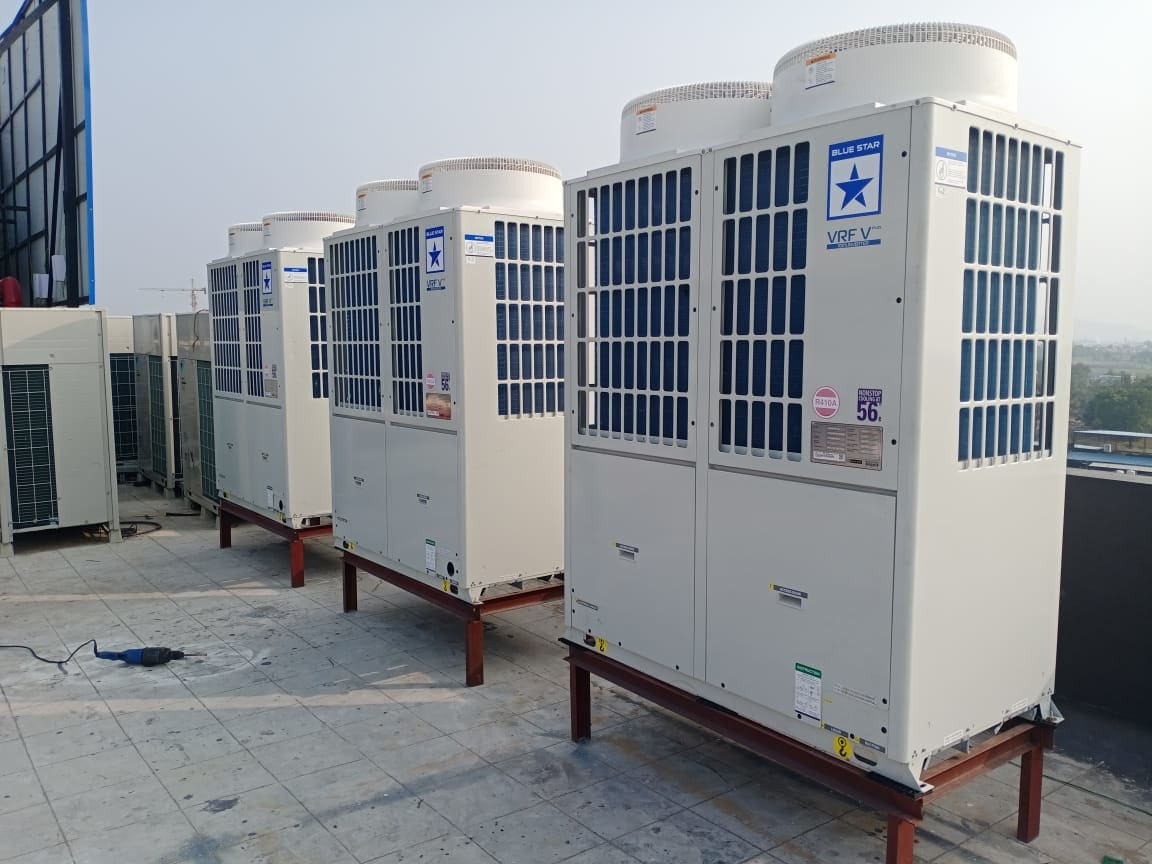
A Central Air Conditioner is a large, ducted cooling system designed to provide uniform cooling across multiple rooms or an entire building from a single centralized unit. Central AC systems channel conditioned air through ducts into different areas, controlled by a central thermostat. While more common in commercial buildings, malls, and luxury villas, central ACs are increasingly used in large homes where individual split units are insufficient. This system offers the highest level of comfort, room-by-room temperature control, and unmatched cooling efficiency for expansive spaces.

Pros

  • Uniform cooling across many rooms
  • Centralized temperature control
  • Ideal for large homes and commercial buildings
  • Efficient performance with duct distribution
  • Aesthetically hidden equipment

Cons

  • Very high installation and ducting costs
  • Complex setup requiring professional design
  • Not suitable for small apartments

Product Specification

Feature Specification
Type Central Air Conditioning System
Cooling Capacity Multi-Ton (Commercial / Large Residences)
Installation Ducted System
Control Central Thermostat / Zone Control
Best For Large Homes, Offices, Buildings
Air Distribution Via Ducts
Energy Rating Commercial/Custom Systems
Noise Level Low (Indoor)
Warranty Standard + Extended Options

Key Features


Ducted Central Cooling System
A central AC uses ducts hidden within ceilings and walls to deliver conditioned air to multiple rooms from one outdoor unit, ensuring uniform, continuous cooling throughout the entire building.

Central Thermostat Control
Central AC systems allow you to manage temperature settings for the whole house or individual zones from a single control panel, making it easy to maintain comfort efficiently.

High Capacity & Performance
Designed for large spaces, central AC units offer much higher cooling capacity than individual split or window units, making them ideal for villas, offices, and multi-room complexes.

Quiet Indoor Operation
Because the main compressor and condenser are housed separately from living spaces, central AC systems operate quietly indoors without intrusive noise — creating a comfortable environment.

Why You Should Consider a Central AC

Central air conditioners are ideal for large homes, offices, or buildings where consistent cooling across multiple rooms is essential. With ducted airflow and centralized controls, they provide seamless temperature management and unmatched comfort. Though installation is complex and costlier, the efficiency, convenience, and silent operation of central systems make them an excellent long-term investment for expansive spaces.

Buy It If

✔ You need cooling for an entire home or building
✔ You want centralized temperature control
✔ You prefer quiet, hidden installation

Don’t Buy It If

✘You live in a small apartment
✘ You want the lowest upfront expenditure
✘ You don’t have space or budget for ducting

View More
Scroll to Top